
AI-assisted Threat Analysis and Risk Assessment for Automotive Cybersecurity Compliance
AI-assisted TARA for ISO/SAE 21434 compliance. Faster, consistent, and reviewable.
Key Benefits For You

Lower per-ECU TARA Effort
The repetitive analysis work that today consumes hundreds of expert hours is supported by the platform.

Audit-ready Outputs
Structured reports aligned to ISO/SAE 21434 and UNECE R155, with traceable inputs and reasoning at every step.

Engineer-in-the-loop
Engineers retain control of every decision. The platform does not replace the cybersecurity engineer; it removes the manual work around them.
The Automotive Problem
Automotive TARA is mandatory under ISO/SAE 21434 and UNECE R155 for vehicle type approval. In most engineering organisations it is still done in spreadsheets, by a small group of experienced cybersecurity engineers. A single ECU can take in the order of hundreds of hours, and the senior specialists who can sign off the work are in short supply.
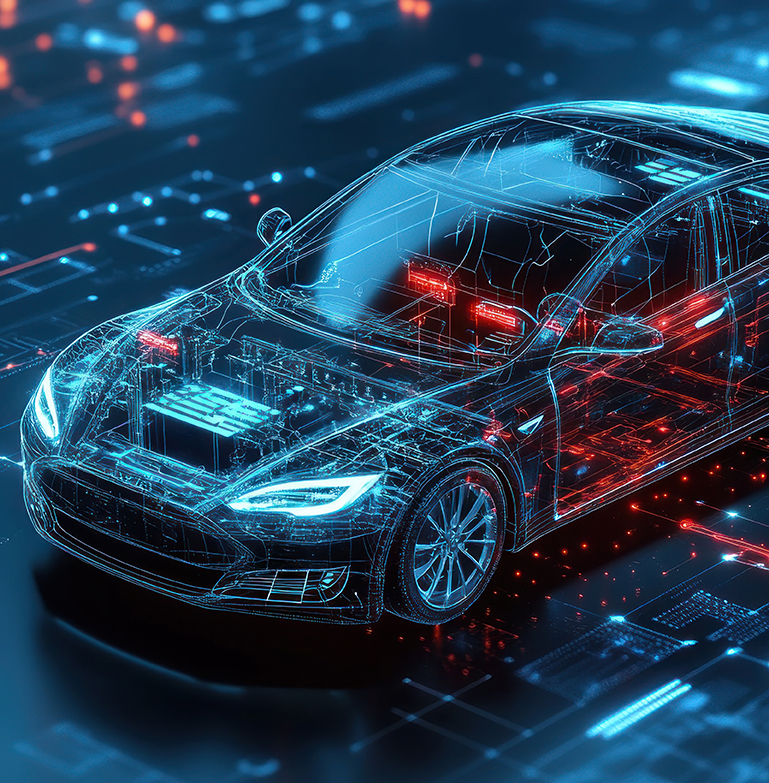
Vehicles are becoming more software-defined, more connected, and more frequently updated over the air. The number of assets, interfaces, and possible attack paths in each new platform is growing faster than teams can scale. The result is rising compliance cost, longer programme timelines, and uneven quality of TARA evidence across product lines.
Solving The Problem.
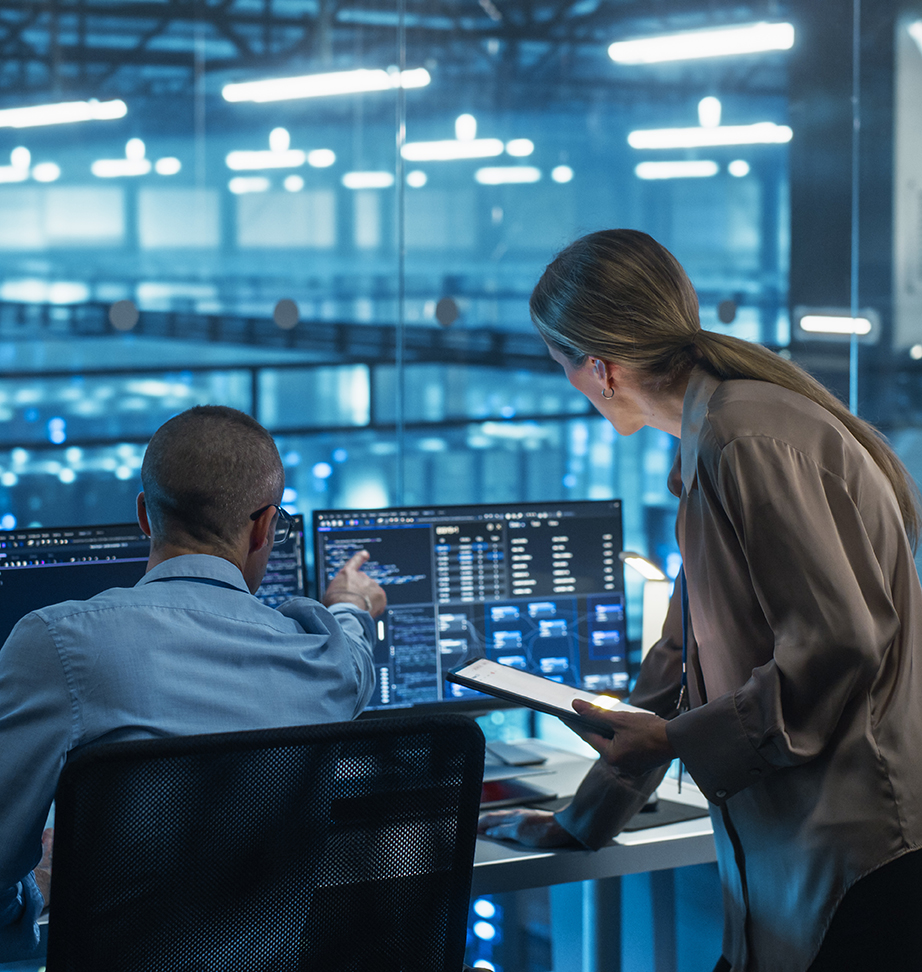
AutoTARA combines natural language processing, attack-graph modelling, and probabilistic risk analysis. It supports the engineer through the TARA workflow: identifying assets, generating threat scenarios, analysing attack paths, prioritising risks, and producing structured reports aligned to ISO/SAE 21434 work products.
AutoTARA is not a black-box AI tool. Every suggestion the system makes is traceable to the inputs and the reasoning behind it. Engineers review, modify, or reject any output before it enters the audit trail. The aim is to take the repetitive scaffolding out of TARA and leave the technical judgement with the people who are accountable for it.